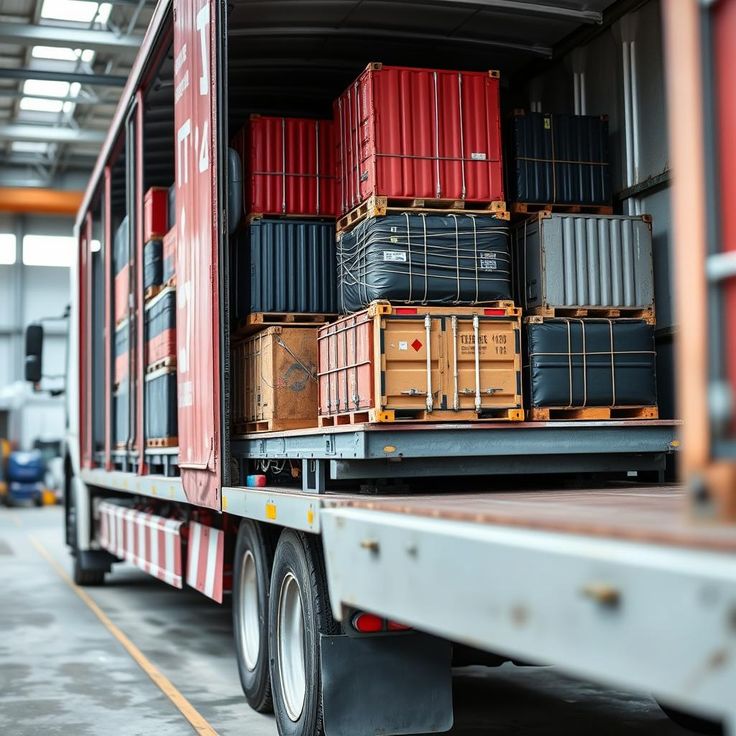
In recent months, delivery times for cargo moving from Kazakhstan to Russia have nearly doubled, with border queues stretching for kilometers. Media reports often suggest that Russia has “closed its borders” or drastically tightened inspections. However, the reality is more complex.
Kazakhstan has strengthened its export controls: 99% of trucks are now subject to inspections, with some redirected to temporary storage facilities. On the Russian side, inspection procedures have also intensified, further extending processing times. Yet a significant share of trucks are stalled not because of an official “block,” but due to the actions of unscrupulous market participants who deliberately delay cargo in hopes that requirements will eventually be eased.
The root issue lies in the fact that many cargo flows were initially bypassing official procedures. Russian customs is steadily pushing imports back into the legal framework: pay duties, taxes, VAT — and continue operations.
This is a systemic challenge. Amendments expanding customs officers’ authority to stop vehicles were passed three years ago, but it was only last year that the focus shifted to digitalization and data analytics for mobile inspection groups. Today, the top priority is establishing robust data collection and exchange so that inspections can be targeted rather than random. At a recent OKTS meeting in Dushanbe, Belarusian representatives also reported rising cases of illegal imports and called for joint information sharing.
Ultimately, the problem extends beyond a single border. The lack of unified rules for handling cargo at the external borders of the Eurasian Economic Union remains the key challenge. Kazakhstan and Kyrgyzstan often prioritize national interests over common standards, leaving Russia effectively forced to reintroduce full-scale customs controls at the EAEU’s internal borders.
Kazakhstan has strengthened its export controls: 99% of trucks are now subject to inspections, with some redirected to temporary storage facilities. On the Russian side, inspection procedures have also intensified, further extending processing times. Yet a significant share of trucks are stalled not because of an official “block,” but due to the actions of unscrupulous market participants who deliberately delay cargo in hopes that requirements will eventually be eased.
The root issue lies in the fact that many cargo flows were initially bypassing official procedures. Russian customs is steadily pushing imports back into the legal framework: pay duties, taxes, VAT — and continue operations.
This is a systemic challenge. Amendments expanding customs officers’ authority to stop vehicles were passed three years ago, but it was only last year that the focus shifted to digitalization and data analytics for mobile inspection groups. Today, the top priority is establishing robust data collection and exchange so that inspections can be targeted rather than random. At a recent OKTS meeting in Dushanbe, Belarusian representatives also reported rising cases of illegal imports and called for joint information sharing.
Ultimately, the problem extends beyond a single border. The lack of unified rules for handling cargo at the external borders of the Eurasian Economic Union remains the key challenge. Kazakhstan and Kyrgyzstan often prioritize national interests over common standards, leaving Russia effectively forced to reintroduce full-scale customs controls at the EAEU’s internal borders.